Maximising Your Material Recovery and Profitability
For New Zealand timber frame and truss fabricators, the challenge of turning raw timber into finished components is more than just a technical process - it’s a strategic one. The recovery rate, or the proportion of usable product output compared to the total timber input, is a key driver for both profitability and sustainability. In a market where margins are tight and material costs unpredictable, improving your recovery rate offers a reliable path to better business outcomes.

The Real Value of Recovery Rate
Traditional metrics like production speed, labour efficiency, and machine uptime are important, but they can obscure the true impact of your timber recovery rate. High recovery means less waste and more value from every cubic metre of timber, which directly lowers material costs and supports sustainable practices. For Kiwi fabricators, focusing on recovery rate gives a more holistic view of plant performance and provides a tangible way to increase margins in a competitive landscape.
Invisible Losses: Where Your Timber Goes
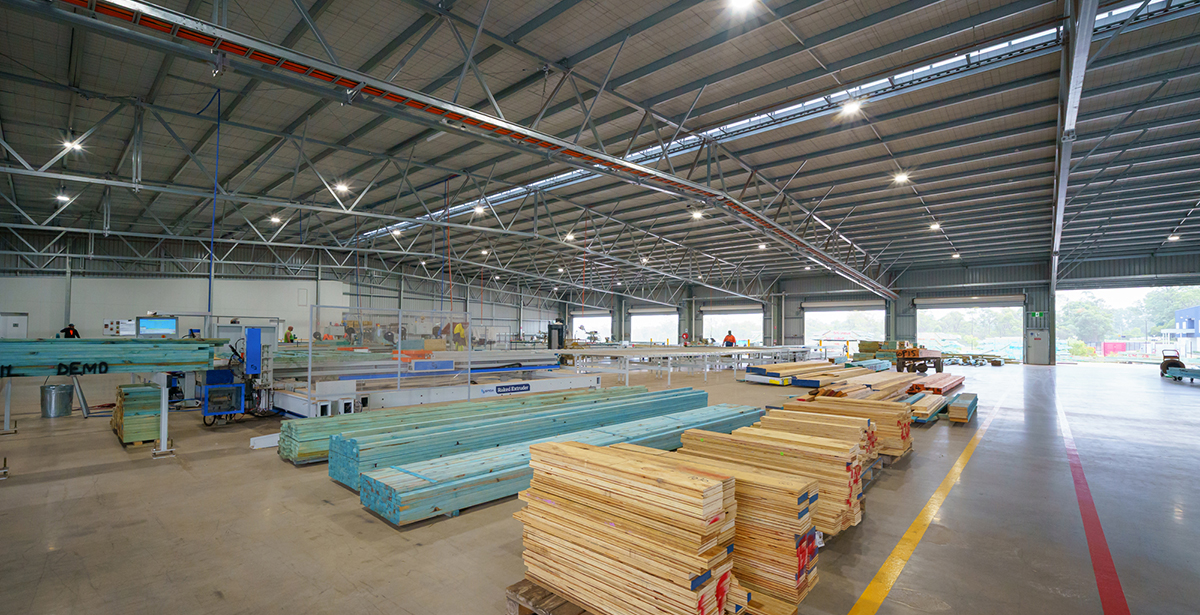
Timber loss isn’t always obvious. Offcuts intended for reuse, often end up scrapped because they’re hard to locate or match to jobs in real time. Short pieces and remnants can be damaged or forgotten as they move around the plant, quietly eroding profitability. Throughput-driven cutting patterns may prioritise speed but can sacrifice recovery rate and lead to higher levels of waste. It’s these “invisible” losses - whether offcuts, handling damage, or process inefficiencies, that add up over time.
Quantifying Opportunity: Why Recovery Rate Matters
Even a modest improvement in recovery rate can translate into noticeable annual savings for a frame and truss manufacturer. Tracking timber inputs, outputs, and waste is often fragmented, making it hard to measure actual recovery. Clear accountability and robust measurement systems are essential. What you don’t measure, you can’t manage - so making recovery rate visible is a critical first step for NZ fabricators.
Practical Steps to Improve Timber Recovery Rate
- Make Recovery Rate Measurable: Track recovery per shift and per saw, not just at the monthly reporting level. Use visual dashboards that connect recovery performance to dollars, not just cubic metres of timber.
- Structure Your Offcut Management: Clearly define what counts as a “usable” offcut, and store them in organised, labelled locations by size and type. Integrate offcut use into scheduling so they are intentionally consumed, not left to chance.
- Upgrade Cutting Logic: Invest in optimisation software designed to minimise waste and optimise cutting across jobs, not just within single components. Standardise rules so operators consistently make recovery-aware decisions.
- Protect Timber from Damage: Improve forklift routes, handling practices, and storage conditions. Re-utilise or quickly dispose of damaged stock to avoid repeated handling and further losses.
Recovery Rate: Your Margin Advantage
Most NZ fabricators know timber prices to the cent but can only estimate true recovery rates. The next wave of margin improvement may just come from smarter timber use, not just buying better materials. By making recovery rate a visible, managed metric, fabricators can unlock significant value – value that’s often hiding in the offcut pile!
For frame and truss manufacturers, maximising recovery rate is essential for both profitability and sustainability. By measuring, managing, and optimising your timber use, you can reduce waste, improve margins, and gain a competitive edge. The journey starts with making recovery rate a priority.
If you’re ready to make the most of your timber and boost your factory’s performance, we’re here to help. Reach out to discuss how we can support your recovery rate goals and drive meaningful improvements for your business.